
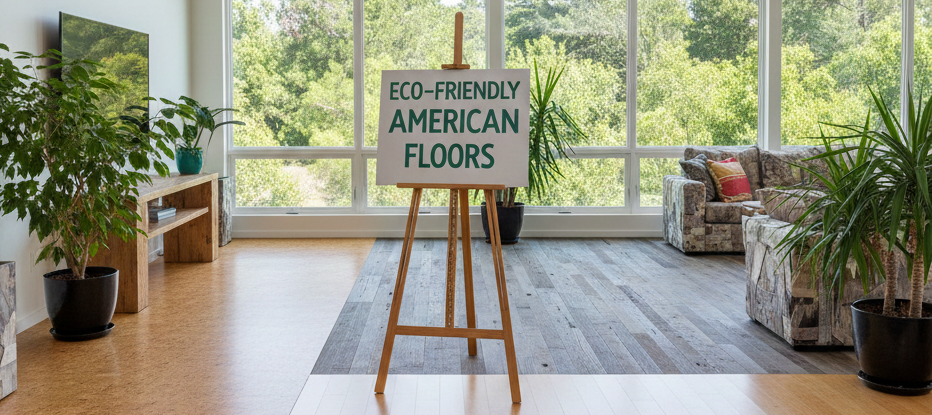
As American homeowners become more conscious about health, sustainability, and long-term value, eco-friendly flooring has moved from a niche option to a mainstream choice. But many homeowners still ask the same question: Is eco-friendly flooring really worth it?
The short answer: yes — for many U.S. homes, it is.
Here’s a practical breakdown to help you decide.
🌿 What Is Eco-Friendly Flooring?
Eco-friendly flooring is made from renewable, recycled, or responsibly sourced materials and uses low-VOC (low chemical emission) finishes and adhesives. These floors are designed to reduce environmental impact while improving indoor air quality.
Common eco-friendly flooring options in the United States include:
Bamboo flooring
Cork flooring
Reclaimed or FSC-certified hardwood
Linoleum (not vinyl)
Recycled tile or rubber flooring
Low-VOC luxury vinyl alternatives
💰 Cost: Is Eco-Friendly Flooring More Expensive?
Upfront cost:
Eco-friendly flooring can cost slightly more initially than traditional options like basic carpet or standard vinyl.
Long-term value:
Many sustainable floors last longer, require less maintenance, and improve energy efficiency — which can save money over time.
Typical U.S. price range (installed):
Bamboo: Moderate
Cork: Moderate
Reclaimed wood: Higher upfront, high resale appeal
Linoleum: Affordable to moderate
💡 Bottom line: Higher initial investment, but often better long-term value.
🏡 Health Benefits for U.S. Homes
This is one of the biggest reasons homeowners switch.
Eco-friendly flooring:
Emits fewer toxic chemicals
Improves indoor air quality
Reduces allergens like dust and mold
Is safer for children, pets, and allergy sufferers
For families, seniors, and health-conscious homeowners, this benefit alone often makes eco-flooring worth it.
♻️ Environmental Impact
Choosing sustainable flooring helps:
Reduce deforestation
Lower landfill waste
Support responsible U.S. and global manufacturing
Reduce carbon footprint
Many U.S. homeowners also like knowing their renovation aligns with green building standards such as LEED or ENERGY-EFFICIENT home practices.
🏠 Durability & Performance
A common myth is that eco-friendly flooring is less durable. In reality:
Bamboo can be harder than oak
Cork is naturally shock-absorbing and resilient
Reclaimed wood has already proven its strength over decades
Modern eco-materials perform well in kitchens and living areas
With proper installation and care, eco-friendly flooring holds up just as well as traditional options.
📈 Does Eco-Friendly Flooring Increase Home Value?
Yes — especially in the U.S. market.
Homes with sustainable features often:
Attract more buyers
Sell faster
Appeal to eco-conscious and health-focused buyers
Stand out in competitive housing markets
Eco-friendly flooring is increasingly seen as a premium upgrade, not a compromise.
⚖️ Pros & Cons at a Glance
Pros
✔ Healthier indoor environment
✔ Sustainable and eco-conscious
✔ Long-lasting materials
✔ Attractive to future buyers
Cons
✖ Slightly higher upfront cost
✖ Some materials require professional installation
✅ So, Is It Worth It?
For most U.S. homeowners, eco-friendly flooring is worth it if you:
Plan to stay in your home long-term
Care about health and air quality
Want durable, stylish flooring
Value sustainability and resale appeal
It’s an investment not just in your home — but in your health, comfort, and future value.
📌 Next Step for Homeowners
If you’re considering eco-friendly flooring, the smartest move is to:
Compare materials based on your space
Understand total installed cost
Get professional guidance
